Storage or Direct Shipment?
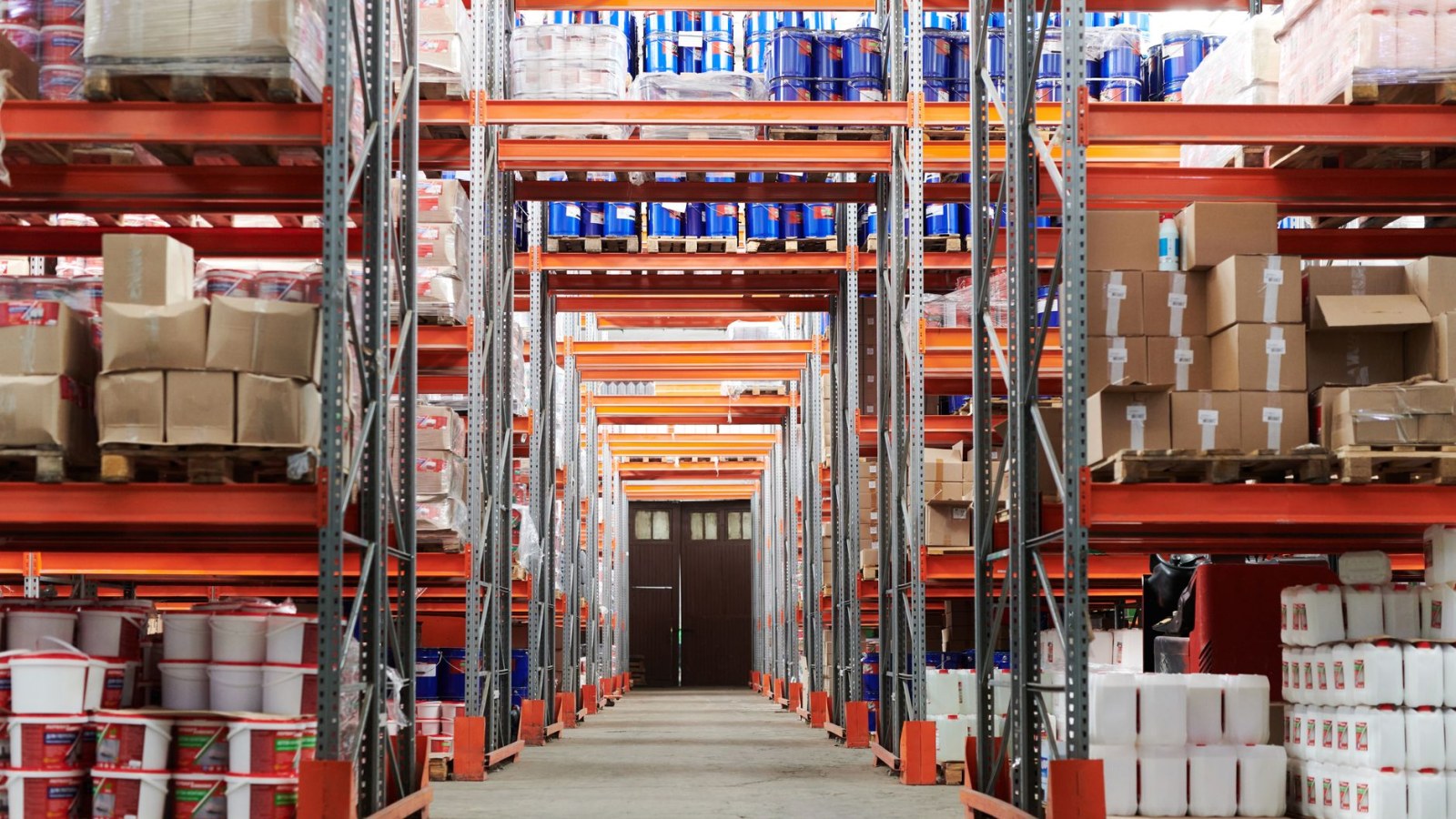
Warehouse storage is the collection and consolidation of cargo before shipment. In direct shipment, each consignment is dispatched separately. The choice between the two depends on your order frequency and delivery commitment.
When does storage save costs?
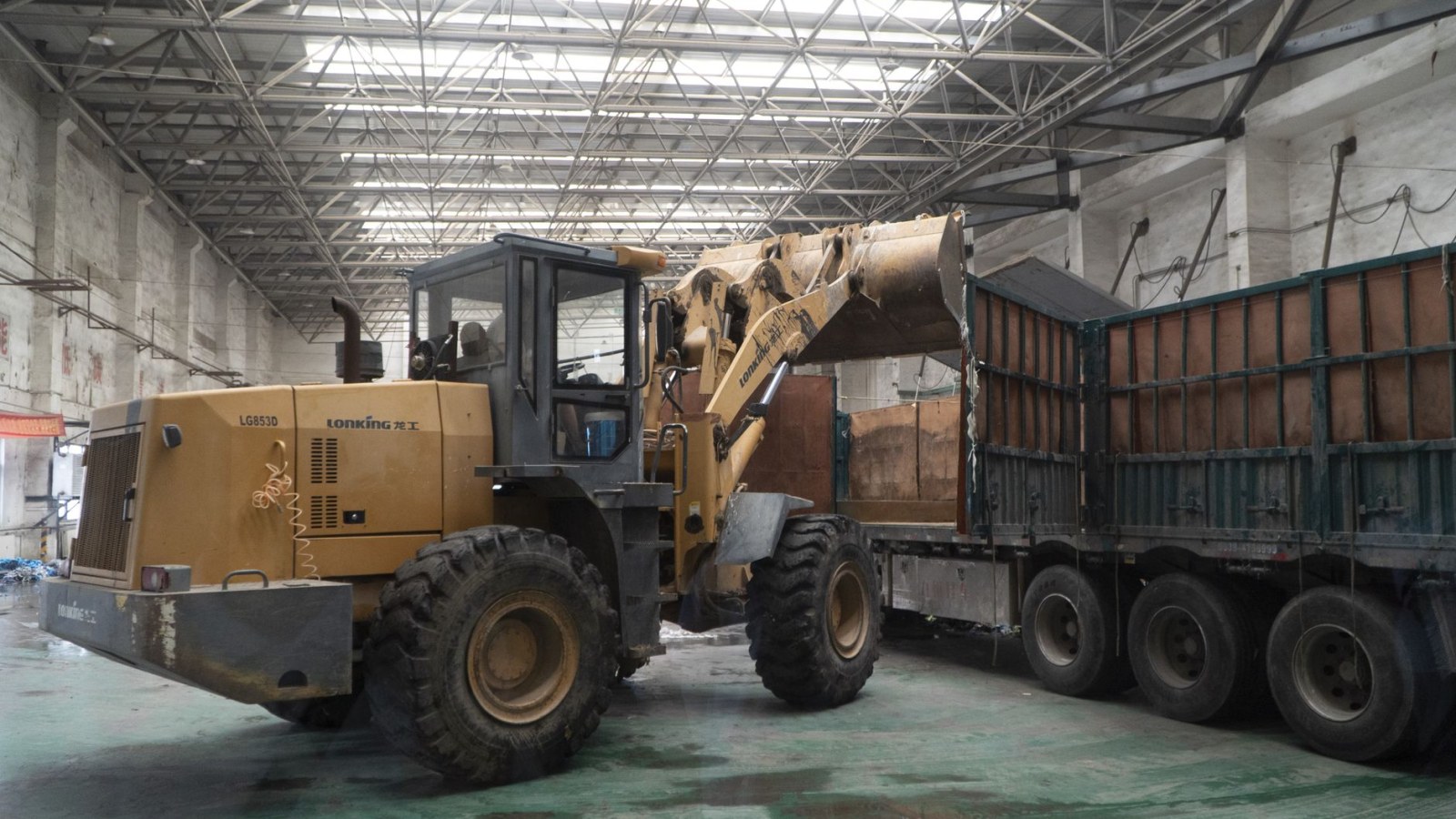
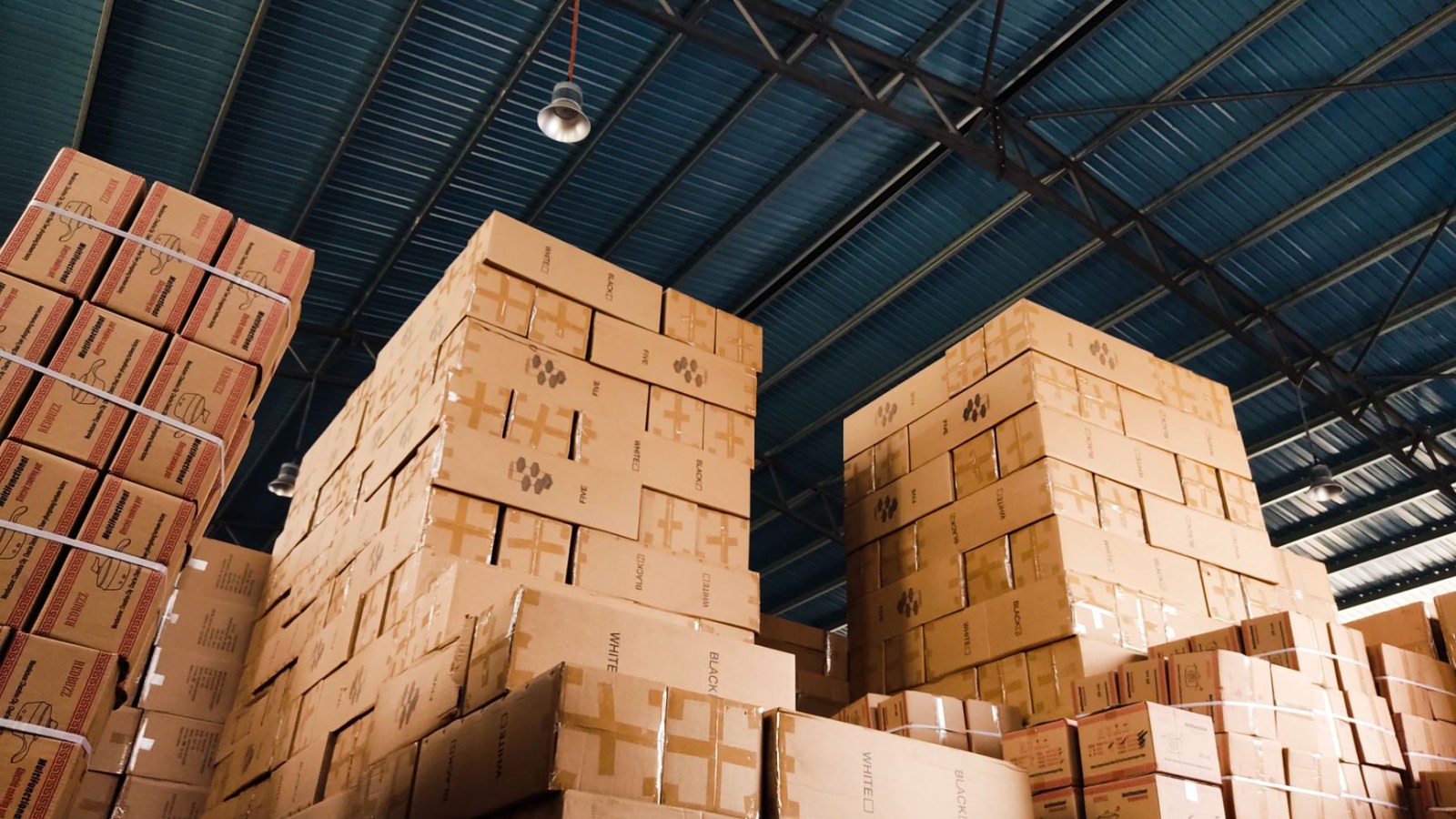
For companies making small and frequent shipments, accumulating cargo reduces unit costs. Loads collected from the Denizli region are consolidated in the warehouse and dispatched in one go. This way, the vehicle is fully utilized and the delivery schedule becomes predictable.
When is direct shipment the right choice?
- When the delivery date is fixed and short.
- When the load alone fills the vehicle.
- When minimizing transfers is important for sensitive products.
- When the buyer does not want to keep stock.
- Calculate your monthly shipment count and average volume.
- Clarify exactly how many days your delivery commitment is.
- Set a fixed departure day to make the flow predictable.
- Keep waiting cargo palletized and insulated from the ground.
Hybrid model
For most companies, the most efficient solution is a mix of both. Routine orders are accumulated, urgent ones are sent directly. Let’s review your flow together and establish the arrangement that suits you.
Planning storage duration
The longer the storage period, the less the advantage. The goal is not to hold cargo for a long time, but to accumulate enough volume for dispatch. This threshold varies by company and is determined by order frequency.
Storage conditions also differ by product group. Moisture-sensitive products are kept palletized and insulated from the ground. For heavy products, stacking height is limited. These rules ensure that waiting cargo is in its original condition at dispatch.
Storage and direct shipment are not alternatives but complements. The right setup depends on using both according to your order structure. We can review your current flow and recommend the arrangement that fits you best.